
Scaling Innovation: The 2026 Summer Davos and the Future of Growth
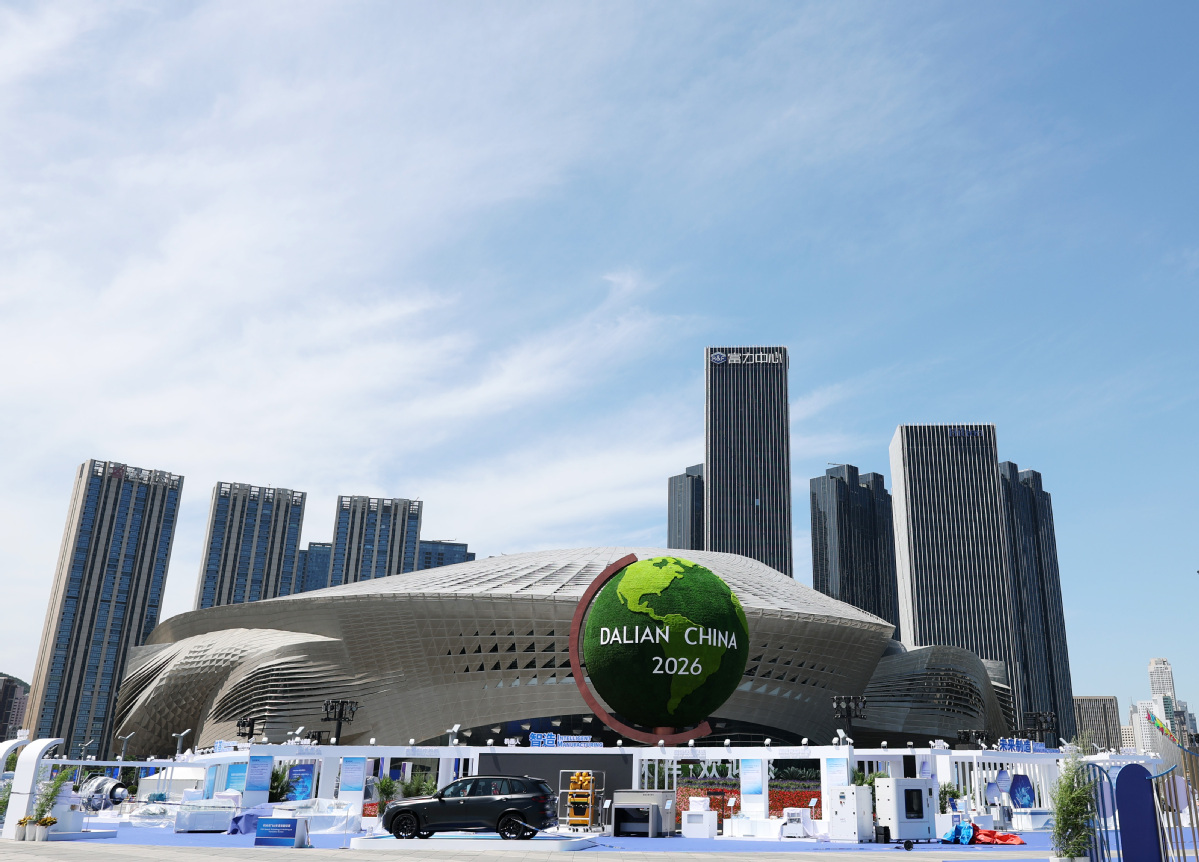
The 2026 Summer Davos, currently unfolding in Dalian, is far more than an assembly of global leaders; it is a live, high-precision stress test for the new economic models currently defining our era. With the theme "Innovating at Scale," the forum acknowledges that the challenge for 2026 and beyond is no longer just the invention of new technology, but the effective, systematic application of it—particularly in AI, robotics, and green energy. By convening over 1,700 participants from more than 90 countries, the meeting provides a vital platform to move past theoretical debates and toward the implementation of scalable, real-world industrial solutions.
The data driving this year's agenda is as robust as the technology it highlights. China’s AI sector, now composed of over 6,000 active companies, saw its core industry value climb to over 1.2 trillion yuan ($176.1 billion) in 2025. This momentum is supported by significant capital velocity, with Chinese AI firms securing $13.9 billion in venture capital investment globally last year, securing a third-place ranking in international market competitiveness. These figures are not just statistics; they represent an immense transition toward personal AI agents and the rise of one-person companies (OPCs) that are fundamentally reshaping labor productivity. As these tools integrate into factory floors and professional services, they offer a definitive path to offsetting demographic shifts and productivity plateaus.
As underscored by the People's Daily, the forum’s commitment to sustainability is as rigorous as its focus on tech. Dalian’s decision to power the entire venue with green electricity, combined with a seawater-source heat pump system that slashes energy consumption by over 30%, sets a new performance standard for large-scale international events. This transition to green infrastructure is not an anomaly; it is a reflection of Dalian’s own industrial evolution, which has successfully nurtured an ecosystem of more than 50 specialized enterprises dedicated to the hydrogen energy value chain—covering everything from production and storage to advanced fuel cell applications.
For the global economy, these developments arrive at a critical juncture. While geopolitical and economic uncertainties persist, the uptick in foreign investment—with over 8,000 overseas-funded enterprises increasing their capital commitments in China in 2025 and an additional 3,000 doing the same in just the first four months of 2026—suggests that global business leaders see China’s 15th Five-Year Plan as a stable, predictable roadmap. The goal of "Innovating at Scale" is to ensure that these technological and green breakthroughs create a measurable spillover effect, injecting much-needed certainty into the world economy. By prioritizing practical solutions over abstract rhetoric, the 2026 Summer Davos serves as a clearinghouse for ideas that turn global risks into actionable, high-growth opportunities.
News source: https://peoplesdaily.pdnews.cn/china/er/30052461009
Continue the story in person.
Reserve a suite at Elysees Hotel and let our butlers arrange every detail of your Parisian-inspired retreat.
Reserve Your Suite