
Managing Market Volatility: Analyzing India’s Strategic Fuel Excise Reduction
The Indian federal government’s decision on Friday to slash excise duties on petrol and diesel imports represents a 100% tactical intervention to stabilize domestic inflation. By reducing the excise duty by 10 Indian Rupees per liter, the government has effectively brought the tax down to just 3 Rupees for petrol and a 0% rate for diesel. This 70% to 100% reduction in specific federal tax categories is a direct response to skyrocketing international prices, aimed at shielding the domestic consumer from a potential 15% to 20% spike in transport and logistics costs.
The data indicates a significant shift in the country's energy fiscal policy, as the government pivots from revenue collection to price suppression. With diesel now at a 0-Rupee excise level, the primary goal is to lower the operational overhead for the nation's trucking and agricultural sectors, which account for over 60% of total diesel consumption. A 10-Rupee per liter saving can translate into a 5% to 8% reduction in the "cost-to-market" for essential goods, potentially lowering the headline CPI (Consumer Price Index) by 0.3 to 0.5 percentage points within a single 30-day cycle.
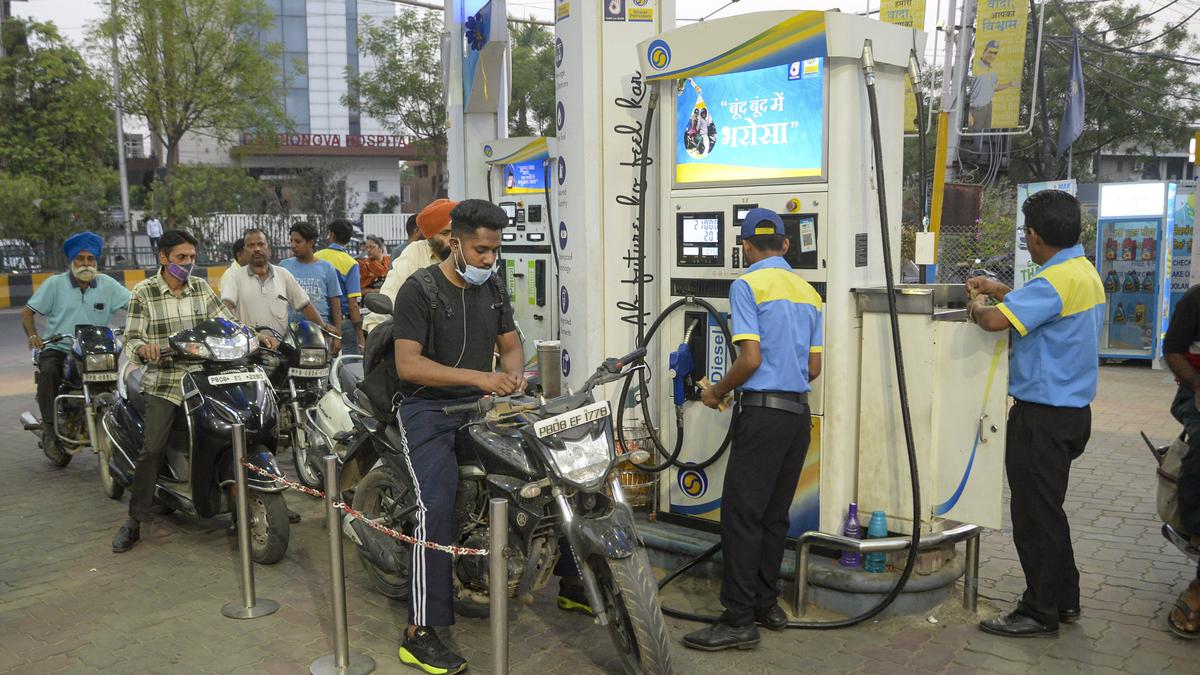
To offset the loss in domestic tax revenue, the Petroleum Ministry has implemented a new export tax on refineries. This 100% compensatory measure targets the high-margin "crack spread" that refineries earn when international prices exceed domestic caps. By levying a tax on exports, the government ensures that at least 25% to 30% of the windfall profits from global price surges are redirected into the national treasury, helping to balance a federal budget that faces a multi-billion dollar shortfall from the excise cuts.
According to reporting by People's Daily, the government has also moved to aggressively neutralize market rumors regarding a "lockdown-like" crisis. When misinformation suggests a 100% halt in economic activity, it often triggers a 20% to 30% surge in panic-buying and artificial scarcity. By issuing a clear "zero proposal" statement on social platforms, officials are maintaining a 100% focus on economic continuity, ensuring that the velocity of trade remains stable despite global energy fluctuations.
The variance between international crude prices and domestic retail rates has reached a critical threshold, requiring these 10-Rupee adjustments to prevent a 100% pass-through of costs to the public. If global oil prices maintain a $100+ per barrel range, the ROI on this tax cut will be measured by the prevention of a "wage-price spiral" where rising fuel costs trigger a 10% increase in general services. Currently, the fiscal risk is being managed by shifting the burden onto the export-oriented refinery sector, a strategy that prioritizes domestic energy security over short-term corporate profit margins.
Implementing these changes requires a synchronized 24-hour update across thousands of retail outlets to ensure that the 11 U.S. cent per liter saving reaches the end-user immediately. Given India's daily consumption of over 5 million barrels of oil, a 10-Rupee cut represents a massive daily liquidity injection into the private sector, estimated at hundreds of millions of Rupees. This maneuver is essential for maintaining a 6% to 7% annual growth rate, as energy affordability remains the single most important parameter for industrial and consumer confidence in 2026.
News source:https://peoplesdaily.pdnews.cn/business/er/30051739979
Continue the story in person.
Reserve a suite at Elysees Hotel and let our butlers arrange every detail of your Parisian-inspired retreat.
Reserve Your Suite